





Who has the right to use a professional portrait photograph of an employee once the flash has gone off? The question may seem straightforward at first, particularly where the photoshoot was commissioned and paid for by the employer. However, the situation is more complex: the same photograph is subject to both copyright and personality rights, which do not necessarily belong to the same person. This question may become particularly relevant when the employment relationship comes to an end. Can an employee use a portrait commissioned by their former employer on their own LinkedIn profile or on their new employer’s website? And for how long can a former employer continue to use an employee’s photograph after the employment relationship has ended?
The Photographer’s Rights
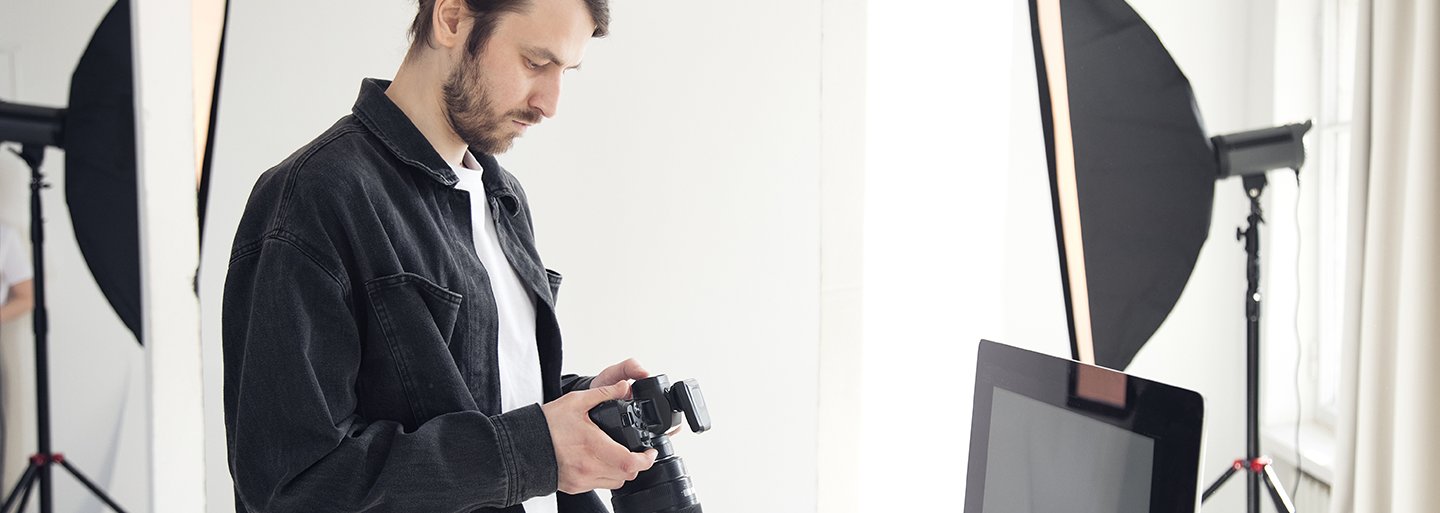
A photograph that has a sufficient degree of originality and individuality is protected by copyright as a photographic work. As a general rule, the author of the photograph is the photographer who took it, who holds both economic and moral rights in relation to its use. This is because, in the case of a portrait photograph, the photographer’s creative choices may give rise to copyright protection. These may include technical settings (such as exposure, aperture and shutter speed), lighting, the subject’s pose, framing and post-processing.
The Third Party: The Employer
Where the employer commissions and pays for a photoshoot, this does not in itself mean that all copyright exploitation rights in the photographs belong to the employer. The content of the agreement concluded with the photographer is the primary factor in determining this. If there is no such agreement, the employer will, in principle, acquire only ownership of the portrait itself, and the extent of its right to use the photograph will have to be inferred from all the circumstances of the case. In other words, it will need to be determined whether the employer may publish the portrait on its website, use it in marketing materials, and so on. Without a clear agreement, the photographer may even prohibit further use of the photographs or demand separate remuneration for such use. It is therefore advisable for the employer to enter into an agreement with the photographer granting the employer comprehensive rights to use the photograph, given that the employer has paid for it.
At the same time, the employee depicted in the photograph also has rights in relation to it, namely the personality right to their own image. Accordingly, the employee’s consent is also required for the employer to use and publish the photograph. If this consent has not been given in writing in a manner that can be evidenced, the parties’ presumed intentions must likewise be considered to determine what the employee agreed to by voluntarily sitting in front of the camera for the photoshoot. In some cases, it may be relatively clear that the photograph was taken for publication on a website or use in marketing materials. However, it may be less clear, for example, whether this also covers use on social media.
What Happens When the Employment Relationship Ends?
The question of use becomes particularly interesting when the employment relationship ends. At that point, the issue is not only whether the employer may continue to use photographs taken previously, but also whether the employee can “take their portrait with them”.
The fact that an employee appears in a photograph does not entitle them to use it freely, either during or after their employment. If an employee wishes to publish a photograph commissioned and paid for by their former employer on their own LinkedIn profile, for example, the employer’s permission is also required. A particularly sensitive situation arises when the employee’s new employer uses a photograph commissioned by the former employer, as has already occurred in practice.
At the same time, an employer cannot continue to use a former employee’s photograph without limitation. Since the reasons and conditions justifying the further use of the photograph no longer apply, its continued publication must cease and it must be removed from the relevant platform. This can be particularly problematic where the employer has already incorporated the employee’s photograph into its own design elements. In such cases, the employee’s departure may create an awkward situation for the employer and may even necessitate changes to its marketing materials.
What Should Be Agreed Before the Photoshoot?
A corporate photoshoot therefore brings together three distinct sets of legal rights: the photographer’s copyright, the rights of use acquired by the employer, and the employee’s personality right to their own image.
To avoid disputes later on, it is important to agree clearly before the photoshoot what rights of use the employer will acquire from the photographer or agency, and whether there will be any restrictions on the employer’s subsequent use of the photograph at its own discretion.
It is also worth agreeing with the employee on the scope of their consent to the use of their image, particularly what will happen to the photograph when the employment relationship ends. Such a declaration or agreement may also allow the employee to continue using the photograph for their own professional or even personal purposes after leaving the employer, for example on their LinkedIn profile, in their CV or even on their personal social media accounts.
Naturally, such an agreement does not have to be linked directly to the photoshoot itself. It may be incorporated into the employment contract or even into the employer’s internal policies, provided that the employee has had an opportunity to familiarise themselves with those policies and raise any objections.